

Discover the Best Private Schools Near You

Choose from a variety of private schools that cater to your child’s educational needs.

Day Schools

Day Schools

Understanding Day Schools Day schools, as the name suggests, are educational institutions where students attend classes during the day and return home in the evenings. Unlike boarding schools, day schools do not provide residential facilities. Instead, they focus on delivering a high-quality education within a structured daily routine. Day schools can be public, private, or charter schools, each offering unique benefits and educational approaches. Types of Day Schools Challenges : Class sizes

Private Schools

Private Schools

What Are Private Schools? Private schools, also known as independent schools, are educational institutions that are not funded by the government. They operate independently and are often governed by a board of trustees. These schools have the flexibility to design their own curricula, admit students based on their criteria, and set their own policies and standards. This autonomy allows private schools to offer a wide range of educational programs and extracurricular activities that cater


Behavioral Expectations

Behavioral Expectations

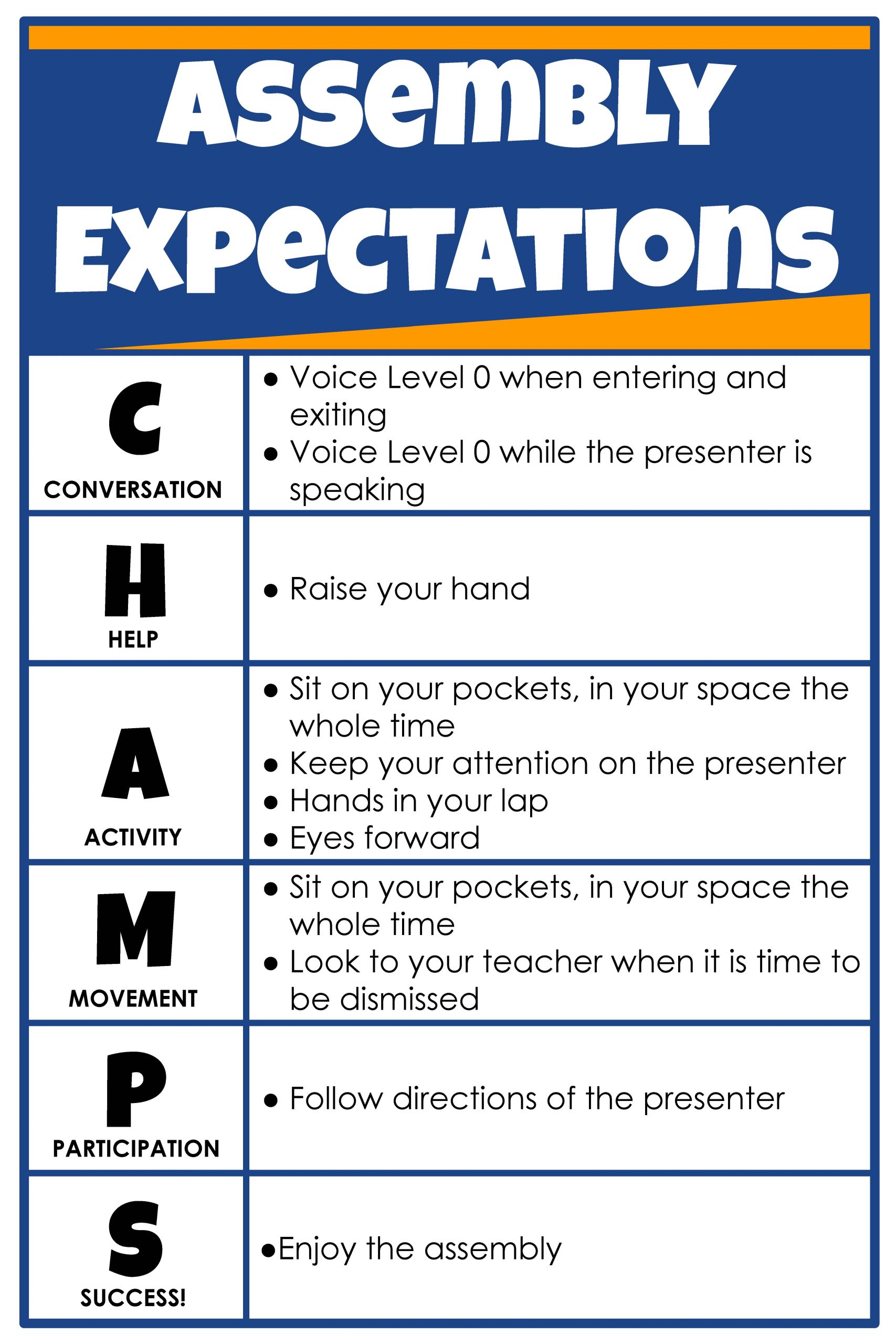
The Importance of Behavioral Expectations Behavioral expectations are the guidelines that define how individuals should act within a specific context. These expectations are essential because they: The Psychological Impact Understanding the psychological impact of behavioral expectations is crucial. When individuals know what is expected of them, they are more likely to feel secure and confident. Conversely, unclear or inconsistent expectations can lead to anxiety and stress, which can negatively affect performance and


Disciplinary Policies

Disciplinary Policies

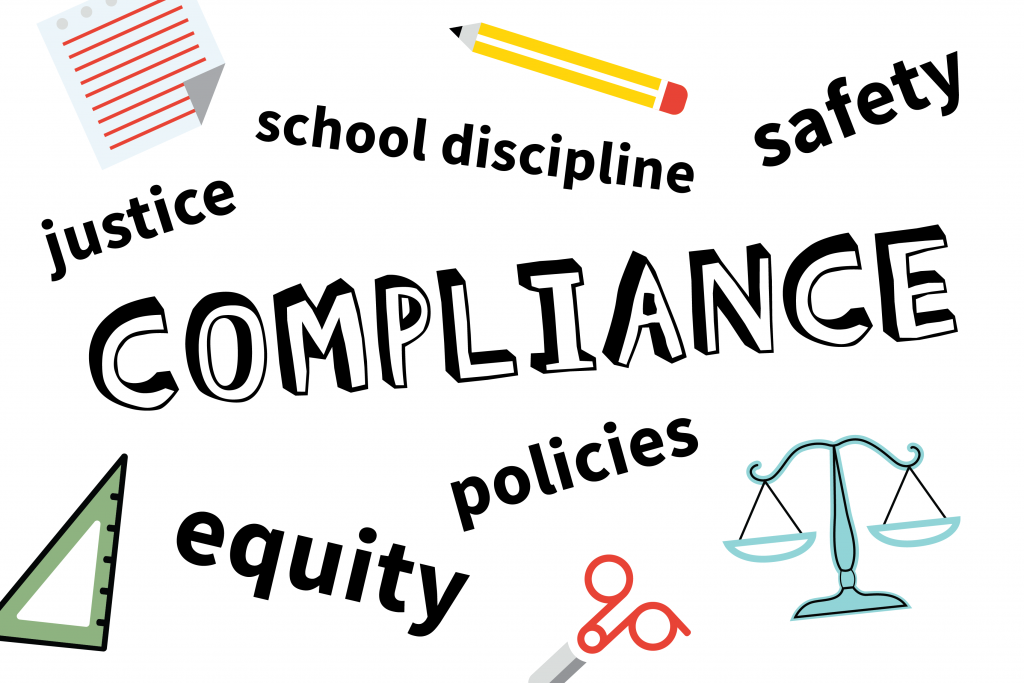
Importance of Disciplinary Policies Disciplinary policies are crucial for several reasons. Firstly, they set clear expectations for behavior, reducing ambiguity and ensuring that all members of the organization understand what is and is not acceptable. Secondly, they provide a fair and consistent approach to addressing misconduct, which helps to maintain trust and integrity within the organization. Lastly, well-structured disciplinary policies can prevent minor issues from escalating into major problems, thereby fostering a more harmonious